
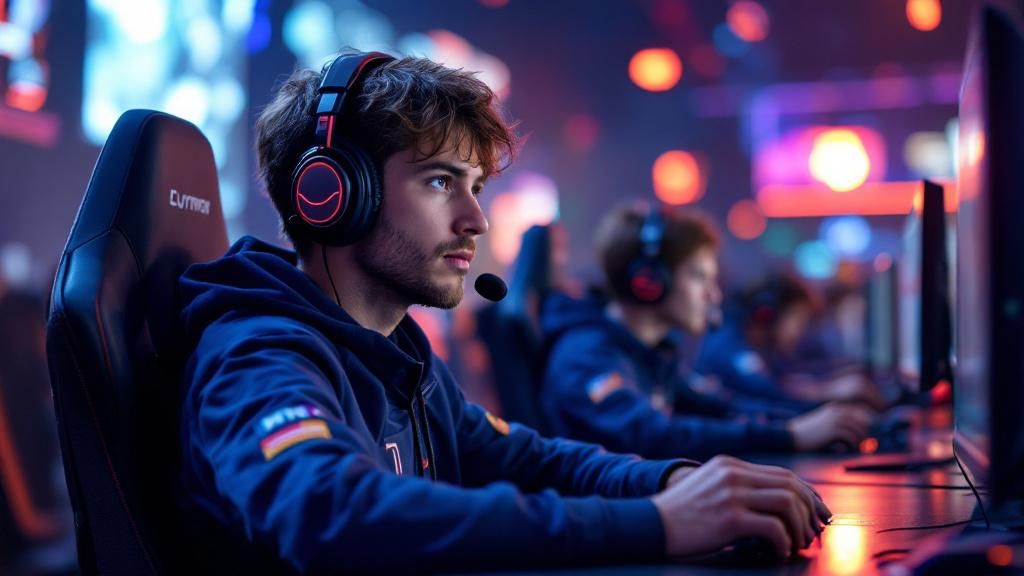
The esports industry has advanced substantially in championing competitor wellbeing. Leading esports bodies have together launched a comprehensive player welfare standards framework, tackling longstanding concerns about psychological wellbeing, employment standards, and equitable treatment within the professional gaming sector. This significant undertaking marks a pivotal moment for esports legitimacy, setting foundational safeguards that could fundamentally alter how the industry operates. We analyse the framework’s key provisions, the organisations driving this change, and what it means for athletes and professional gaming moving forward.
Sector-Wide Dedication to Player Wellbeing
The collaborative effort between leading esports organisations marks a watershed moment for player protection within professional esports. This cohesive approach demonstrates the sector’s real dedication to developing enduring guidelines that place athlete welfare first alongside competitive excellence. By sharing assets and experience, these organisations have developed detailed frameworks addressing physical condition, mental wellness, and professional security. The programme demonstrates increasing awareness that competitor health substantially impacts performance quality and professional lifespan, making it essential for the sector’s reputation and development.
Tournament organisers have recognised that past requirements were scattered and uneven, exposing competitors to exploitation and burnout. The updated system establishes consistent standards among principal events, ensuring every professional competitor gets fair consideration and availability of vital assistance. This coordinated approach eradicates unequal conditions stemming from inconsistent protections and sets fair competition standards. Industry experts stress that these standards represent minimum requirements, encouraging organisations to go beyond minimum standards and create truly caring settings where competitors can excel across professional and personal dimensions.
Core Features of the Welfare System
The newly formed welfare framework consists of multiple linked pillars designed to ensure player protection thoroughly. These elements cover psychological wellbeing support, physical wellbeing, equitable employment terms, and straightforward conflict resolution processes. By integrating these elements, tournament administrators aim to create a holistic approach that acknowledges esports athletes as professional athletes warranting strong safeguards. The framework sets essential standards that all affiliated tournaments are required to adopt, ensuring standardised player protections across the professional gaming environment.
Mental Wellness Care Services
Recognising the emotional demands characteristic of esports at a professional level, the framework requires provision of qualified psychologists for every competing player. Tournament operators are required to provide confidential psychological support, either directly or through partnerships with qualified mental health providers. This provision covers stress management, support for performance-related anxiety, and crisis intervention resources. Players receive access to trained psychologists who are familiar with esports-specific pressures, encompassing online harassment, high-level competitive stress, and uncertain career prospects.
The framework also mandates tournaments to implement mental wellbeing education initiatives and stigma-reduction efforts within the community. Organisers must educate players, coaches, and staff about recognising psychological difficulties and accessing appropriate support. Ongoing assessments and health surveillance programmes help detect struggling players early, enabling proactive intervention before situations progress into critical psychological situations.
Physical Wellness Requirements
Tournament operators must create detailed wellness standards covering ergonomics, break times, and clinical supervision. The framework mandates correct seating arrangements, monitor positioning, and downtime to minimise RSI prevalent in esports professionals. Clinical personnel must be on-site at large-scale competitions to address immediate medical concerns, whilst organisers are required to offer guidance about injury prevention and proper healthcare support for ongoing player improvement.
Environmental conditions at tournament venues are now subject to strict guidelines maintaining player comfort and safety. Regulations address temperature control, lighting standards, and noise levels to establish optimal performance conditions. Additionally, the framework promotes players to have regular health assessments and provides guidance on diet, sleep hygiene, and exercise routines essential for sustained professional performance in esports.
- Ergonomic equipment evaluations conducted by certified experts
- Required breaks between matches reducing player exhaustion
- On-site medical staff available during all competitive events
- Injury reduction training and rehabilitation service availability
- Health monitoring programmes monitoring player wellbeing across the year
Rollout Schedule and Requirements
The framework will be deployed in three separate phases, beginning immediately with initial evaluations across involved stakeholders. Tournament operators have pledged to completing initial audits of their present procedures by the end of the first quarter, pinpointing differences between current procedures and the updated requirements. This initial stage ensures a thorough understanding of each organisation’s starting point before making material alterations. Later stages will encompass employee development, procedural revisions, and the establishment of external compliance frameworks to ensure adherence and responsibility throughout the esports industry.
The standards themselves include mandatory provisions relating to mental health support, practical training timetables, and open reward distribution systems. Each organisation is required to appoint a specialist player welfare representative tasked with handling grievances and ensuring adherence to guidelines. Periodic reviews, conducted by third-party bodies, will assess conformity and highlight zones for development. These thorough safeguards create quantifiable standards for player protection, with enforcement mechanisms including pecuniary fines and potential tournament sanctions for organisations not meeting required standards.
Industry Reaction and Outlook Ahead
The announcement has garnered strong backing from stakeholders across the competitive gaming sector. Professional player groups have praised the framework as a necessary step towards advancing the professional standards of the space, whilst organisation proprietors and financial backers appreciate the prospects of enhanced credibility and long-term viability. Gaming equipment manufacturers and content distribution networks have committed to embed safeguarding measures into their day-to-day activities, demonstrating a collective commitment to structural reform. Preliminary evidence indicate that regulatory bodies and government officials perceive the criteria with approval, possibly opening the door to statutory acknowledgement of competitive gaming as a legitimate professional sector.
Looking ahead, industry observers anticipate that this framework will serve as a blueprint for global adoption, with regional competitions and smaller competitions set to adopt similar guidelines. The programme is likely to inspire continued dialogue regarding athlete remuneration, career development pathways, and mental health resources. As esports undergoes meteoric growth, these welfare standards represent a vital protection mechanism ensuring that competitive gaming stays sustainable, welcoming, and considerate for all participants, ultimately strengthening the industry’s standing as a legitimate competitive sector.
